
Name of site: Bhambore
Location: Bhambore :On National Highway east of Karachi.
Date of Construction:
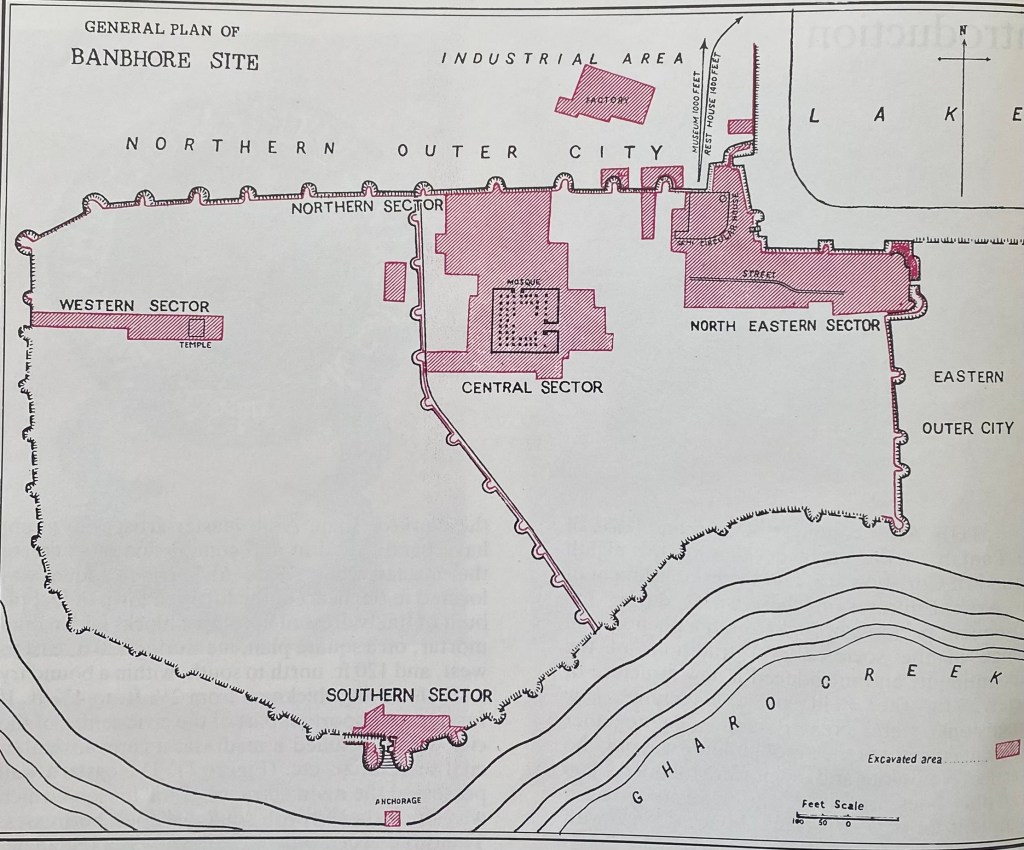
Bhambore was an ancient city dates back to first century AD and had three distinct phases Scytho-Parthian (1st -2nd century), , Hindu Buddhist (2nd to 8th Century AD) and Arab periods (8th Century t13th Century AD). The city was divided into upper and upper city contained numerous mosques. The city was controlled by the Muslims from 8th to 10th century after which it was abandoned. The sandstone used in its construction, and also of houses, came from hillocks just outside the settlement but mud bricks were used for the poor men’s quarters and in core fortification. The settlement occupies about 55 acres, though only 10 per cent of the conspicuous area has been excavated and much cannot be known about the life of the common man. In addition a commercial area has al been found on the western part of the city.
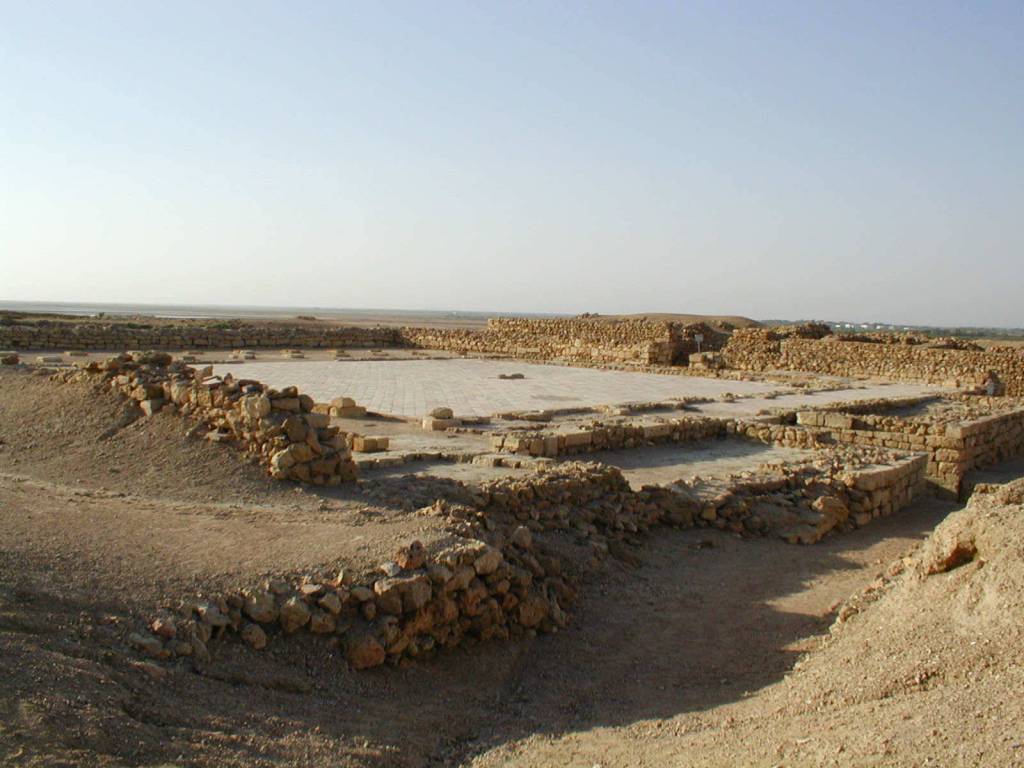
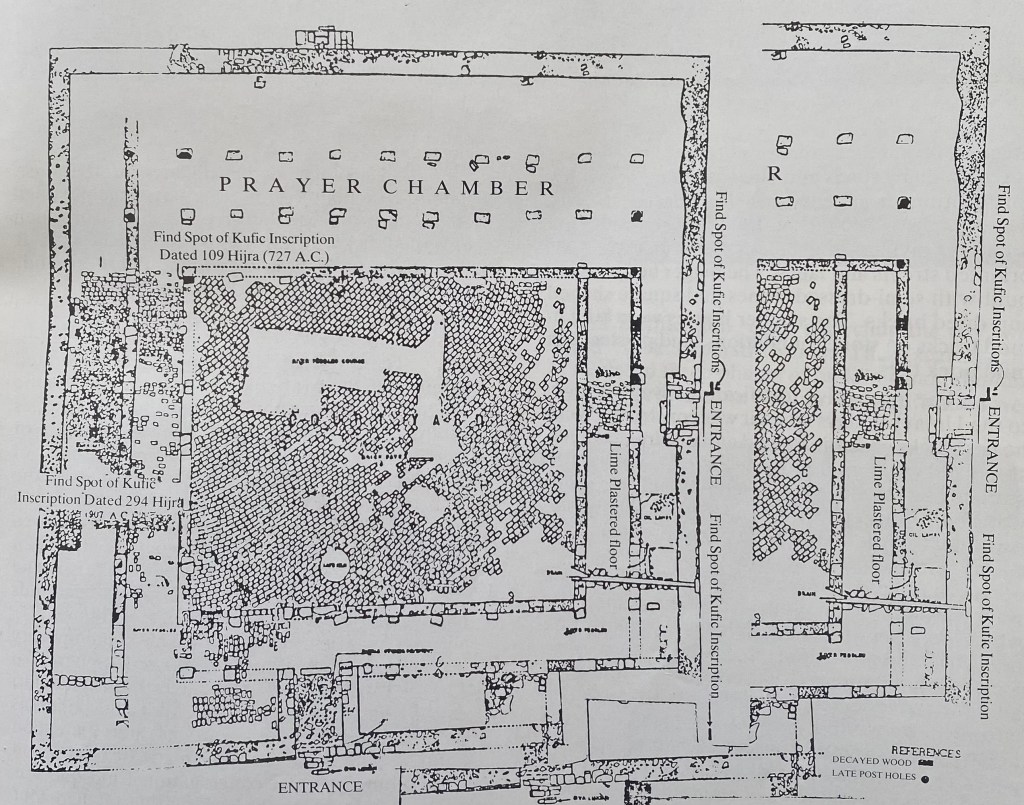
The city was surrounded by stone and mud wall. The city was divided into eastern and western part by a stone wall. Remains of the one of the earliest known mosques in the region dates back to 727 AD have been found in the eastern part of the city. The city was enclosed by stone wall with three gateways. in addition, 13 Kufic inscriptions have also been found from the mosque. Close to the mosque the remains of semi-circular palace have also been found which is believe to the the Governor Palace. Remains of houses, streets, and other buildings have been found both within and outside the citadel.In addition remain of Shiva temple have also been identified from the remains of Hindu period.
Bhambore was a medieval port city drawing its wealth from imported ceramics and metals, industrial sector and trade. Archaeological findings shows a half-submerged anchorage structure with solid stone foundation which may have been used berthing cargo boats. In the northwest are the quarters of the textile dying workers. It was the biggest producers of ivory in the ancient world.

 Naqoosh-e-Javidan