
Name of Monument: Gor Katri
Location: Walled City of Peshawar
Date of Construction: From Gandhara to Mughal period
Gor Katri, also known as “Gor Gathri” or “Warrior’s Grave,” is situated in the heart of the Old City of Peshawar. This site has been considered sacred from the time of the Gandhara period to the Mughal Empire, a span of almost 2,000 years. In the mid-17th century, Emperor Shah Jahan’s daughter, Jahan Ara Begum, converted it into a caravanserai (an inn for travelers) to aid those traveling from Central Asia and Delhi.
In ancient times, Gor Khatri housed the Tower of Buddha’s Bowl, which was where the sacred alms bowl was kept. Later, it became sacred to Hindus and was used for religious rituals or for training priests in the philosophy of Yoga. Dr. Farzand Durrani and Dr. Ihsan Ali, two archaeologists, have excavated the site and discovered artifacts that are over 2300 years old. Peshawar was one of the three most important cities in the Gandhara region and was the most prosperous and well-known city in the old Kushan Empire. During that period, the city was referred to as “Purshapur,” “Purushapura” in Sanskrit, or “Kanishkapura,” the capital of the Great Kushan Empire (c.AD 60-225). The Shahji-ki Dheri mounds, located to the east, cover the ruins of the largest Buddhist stupa in the subcontinent (2nd century CE), which indicates the city’s long association with the Buddha and Buddhism. Once the capital of the ancient Buddhist kingdom of Gandhara, the city was also known as Parasawara and Purusapura (the town or abode of Purusa) and was called Begram. However, after the downfall of the Gandhara Civilization in the region, Peshawar fell into obscurity until the arrival of the Mughals in India. The Mughals recognized the city’s importance on the trade routes to Central Asia and began to improve it. The present name, Peshawar (pesh awar, “frontier town”), is credited to Akbar, the Mughal emperor of India (1556–1605).
In 1641 AD, Jehan Ara Begum converted Gor Kathri into a grand caravanserai known as “Serai Jahanabad.” It was constructed in the typical Mughal architecture, and for the first time, mosques were built for Muslim travelers and traders. The caravanserai had two impressive gateways that opened into the serai, one from the east and the other from the west. The western gateway leads to the most important areas of the inner city. At present, 36 out of 49 rooms have been renovated.
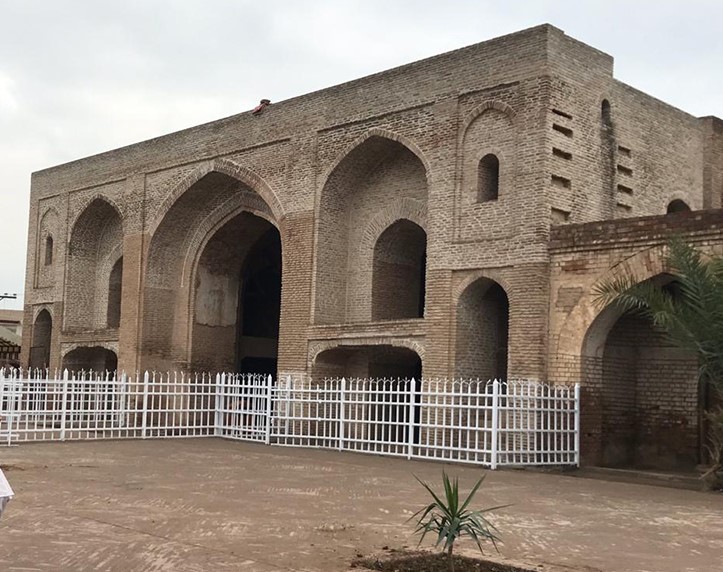
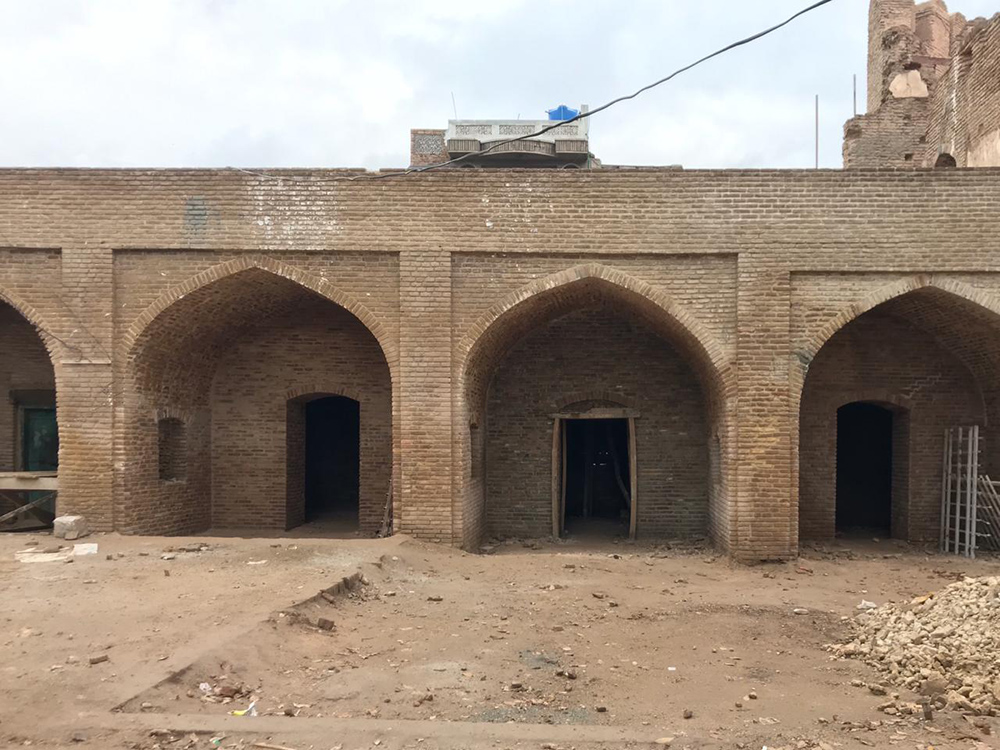
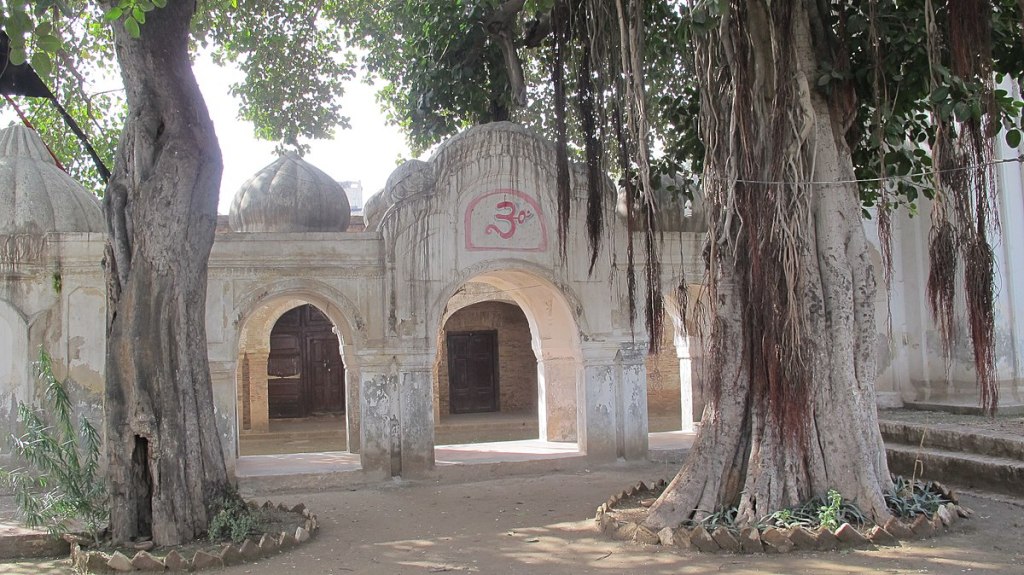
The other most impressive building on the site is the Gorak Nath Temple, located in the center of the caravanserai. The temple is dedicated to the Hindu god Shiva and was built in memory of a religious teacher named Gorak Nath, who came from Kashmir to Sheikhupura and then relocated to Peshawar. It was built in the early 19th century and remains intact in its original condition; it was a center for Hindu religious practices in the city until a few decades ago. The temple’s interior still features the original fresco work and paintings of Hindu deities.
 Naqoosh-e-Javidan