
Location: Lahore
Province: Punjab
Period of Construction: Mughal 1641-1642
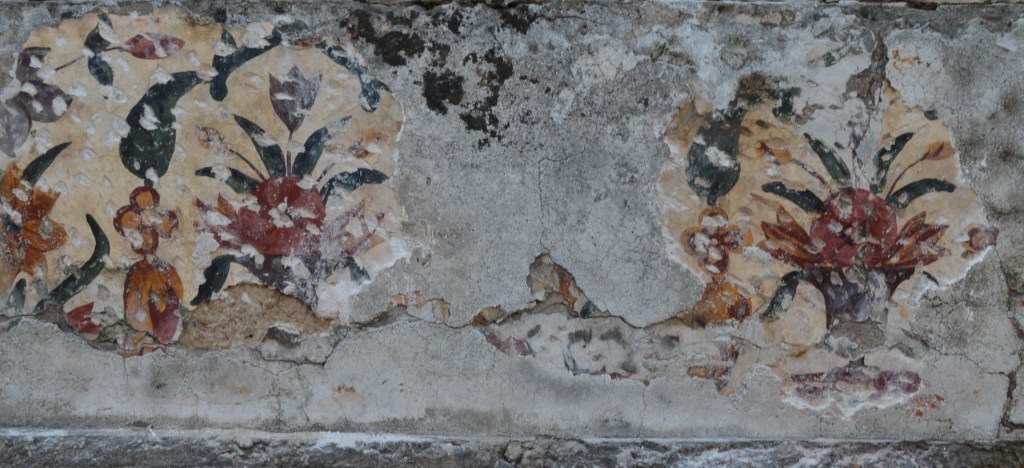
Materials of Construction: Brick, Marble, Red Sandstone with use of Glazed tiles and fresco paintings
Brief Description:
In 1641 Shah Jahan ordered the construction of magnificent garden in Lahore. The Mughal period historians quoted the emperor vision about the physical form having terraces, running water and fruit trees. After a careful consideration of a number of possible sites, the one stood virtually alone upon the riverbank, Khalil Ullah Khan laid the foundation of Shalamar on 12 June 1641. To irrigate the vast lawns the Shah Nahr (canal) from the Ravi River drew near Lahore under the supervision of first by Ali Mardan Khan and later by Mulla Ala ul Mulk Tuni.
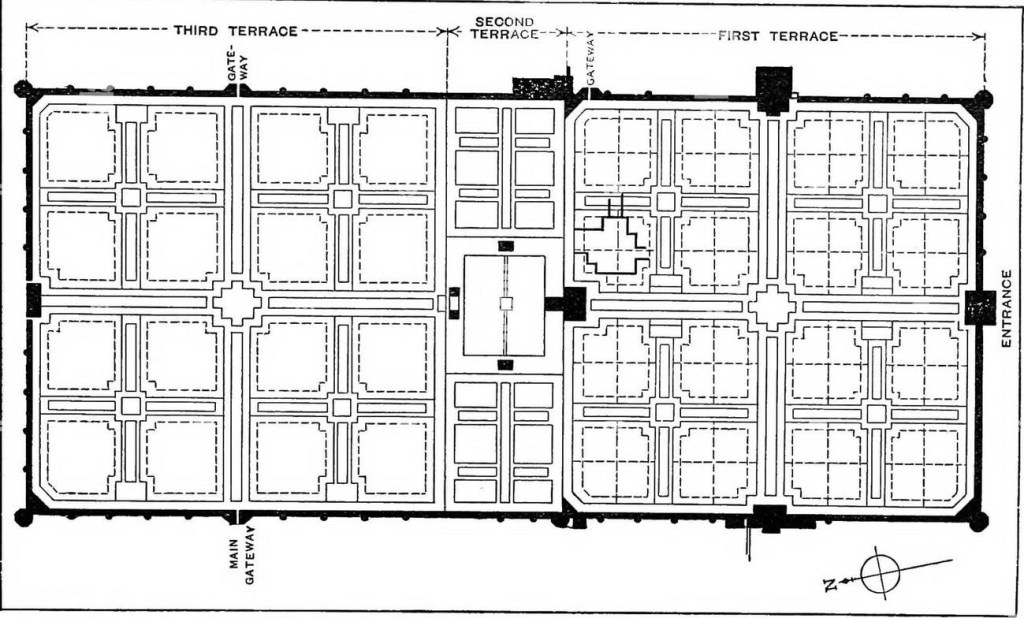
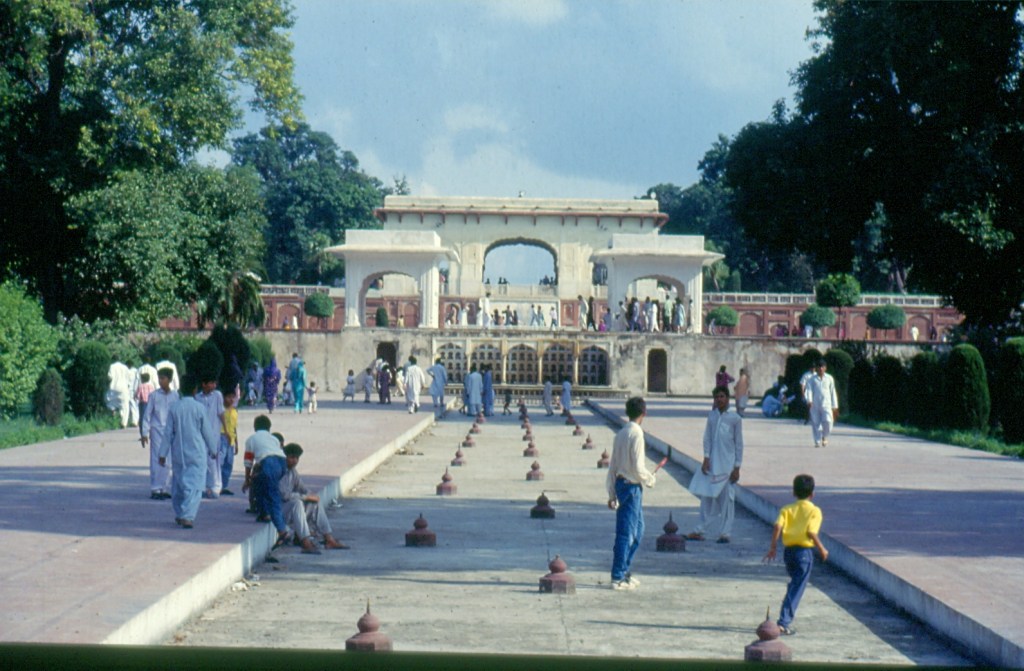
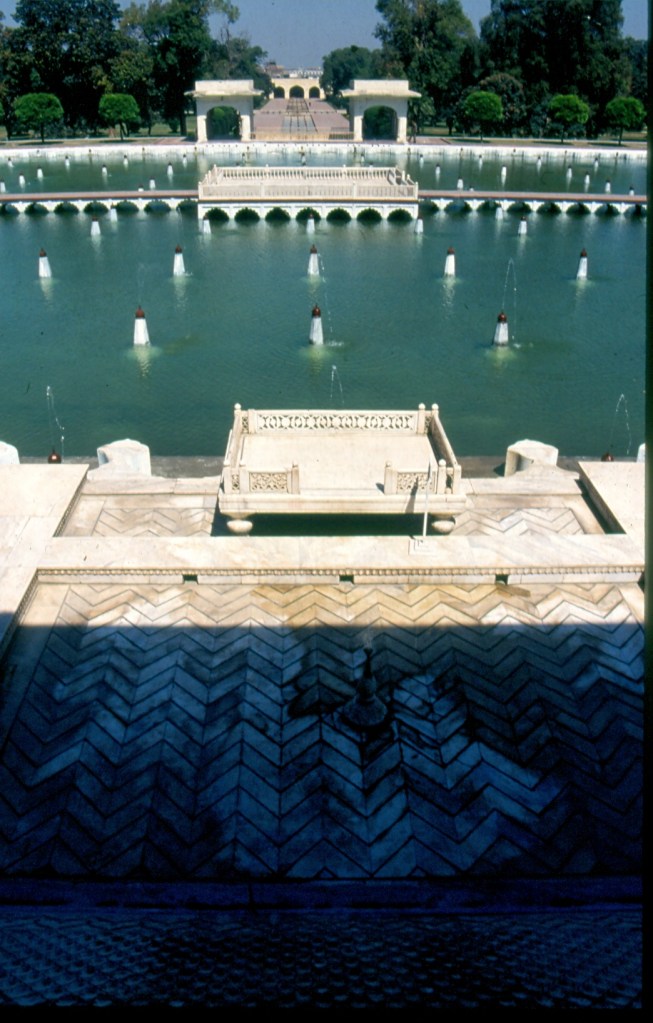
The garden has three broad terraces stepped majestically down to the floodplain. A broad canal feeds hundreds of fountains, pools, and lushly irrigated plantings. It is well known that contemporary Mughal sources refer to Shalamar garden, Lahore as Farah Bakhsh and Faiz Bakhsh. The lowest terrace (Faiz Basksh) was meant for public use, the middle was the emperor’s garden, and contains the most elaborate water system among all Mughal gardens, and the highest (Farah Bakhsh) was reserved for the harem. The design elements are played in an innovative manner creating view and vistas which has never been achieved in any other garden. Shalamar garden is a dynamic realm of visual, acoustic and aromatic effects produced by diurnal and seasonal changes. All its features—flowers, trees, birds, breezes, animals, built structures, water, and light—enhance the experience. In Shalimar Garden, the combination of aesthetic and technical ingenuity produced a garden that must have stunned early visitors.

 Naqoosh-e-Javidan