
Name of monument: Chakar da Qila
Location: Sibi
Period of Construction: 15th century.
Material of Construction: Mud
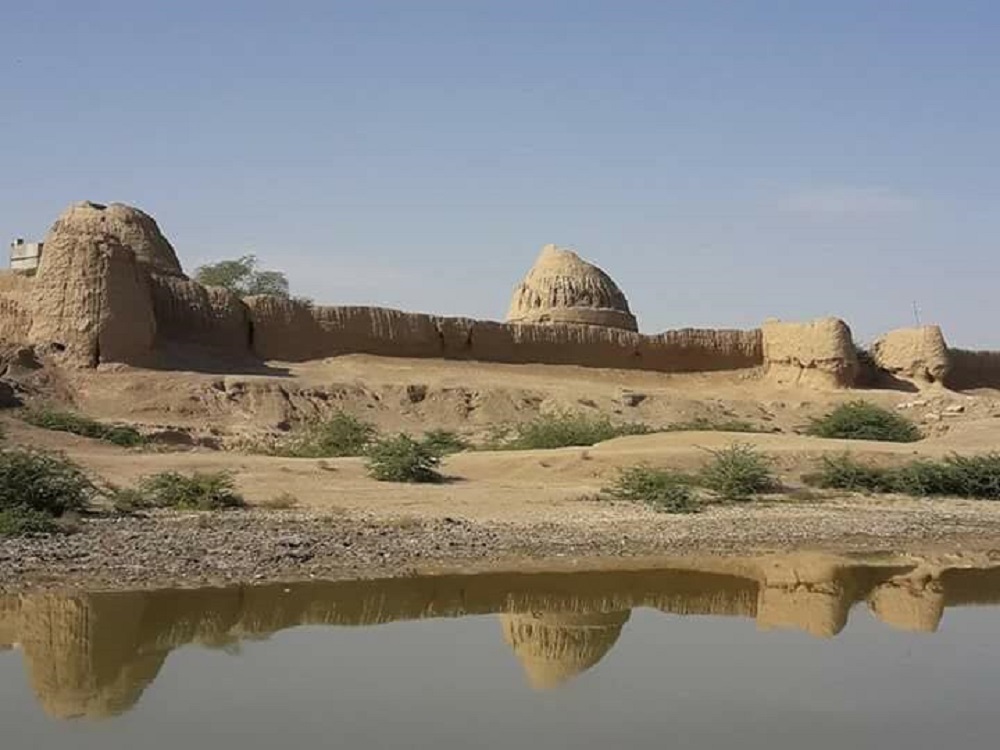
The Mir Chakar Khan Fort is situated on the outskirts of Sibi city. It was constructed during the 15th century by Mir Chakar Khan Rind, a tribal leader from the Balochi region. Mir Chakar Khan Rind successfully defeated the Lashari tribe after a conflict that lasted for thirty years. Throughout history, Sibi has held significant importance. It was conquered by Mahmud of Ghazna in the 11th century and remained under the rule of Nasir ud Din Qubacha from 1210 to 1228. In 1488 A.D., Sibi Fort became the fief of Jam Nizamuddin II of Sindh. Towards the end of the 15th century, Shah beg Arghun captured Sibi Fort and rebuilt its impressive dome-shaped architecture, which still stands today. However, with the decline of the Arghun dynasty in 1575 A.D., the Panni tribe gained control of the fort.
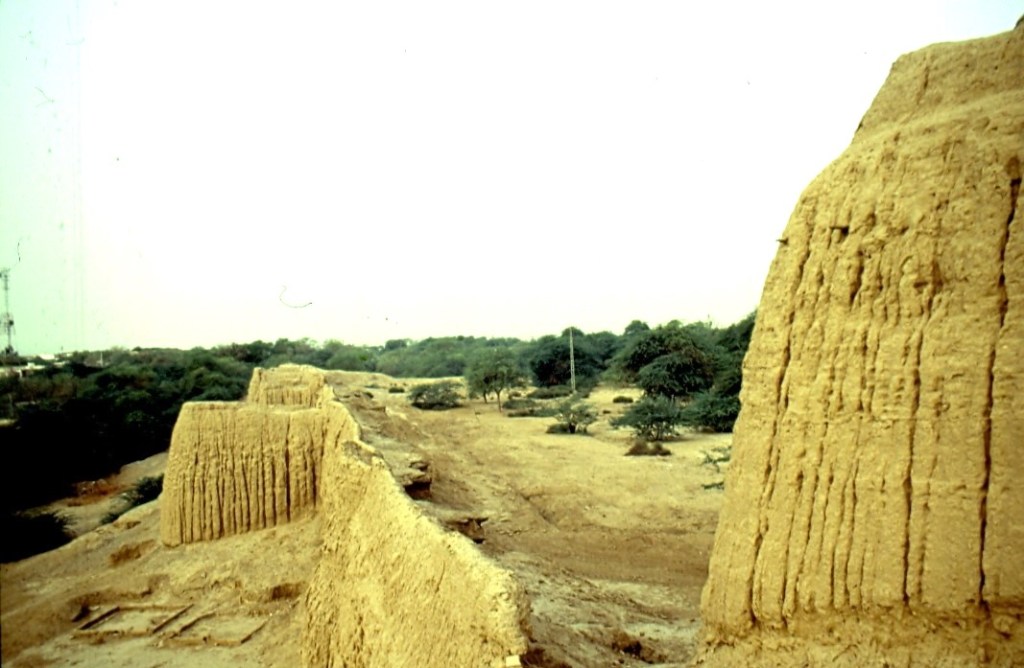
Both the fort and Mir Chakar hold historical significance, not only for the residents of Sibi but also for the Baloch people. Mir Chakar Khan Rind was born in Sibi in 1468, into a noble family of tribal chiefs. The Rind tribe had ruled over the Lasharis, and Mir Chakar Khan Rind became the chieftain of the Rind tribe at the young age of 18, succeeding his father, Mir Shehaq Khan Rind, upon his passing. In 1518, after the brutal civil war between the perpetual rivals Lasharis and Rinds came to an end, with the Rinds emerging as victorious, Mir Chakar Rind left Balochistan and settled in Punjab. He passed away in 1556 in Satghara, a small fortified settlement in Okara District. His fort, which has been largely eroded by time, is known as “Chakar Killa” (the fortress of Chakar) and stands on a hilltop overlooking the town of Sibi.

 Naqoosh-e-Javidan