
Name of Monument: Wazir Khan Hammam/ Shahi Hammam
Location: Walled city of Lahore
Date of Construction: 1635 AD
Material of construction and finishes: Brickwork, Fresco paintings, Kalib kari
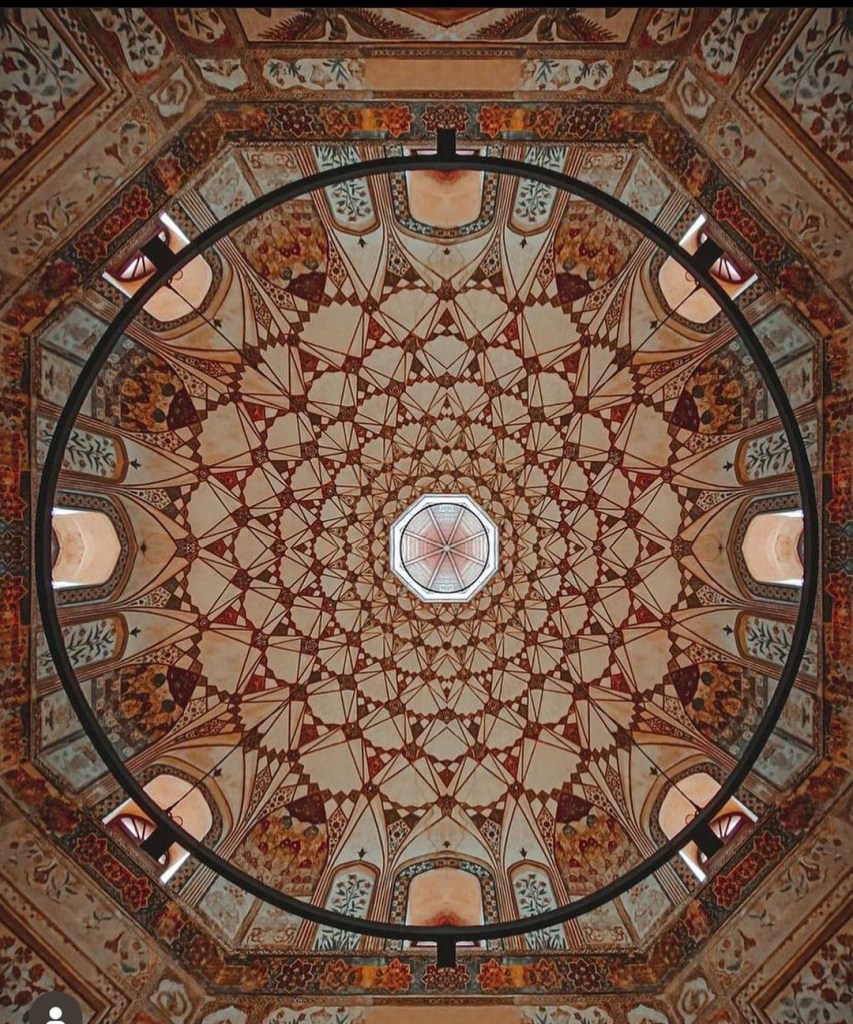
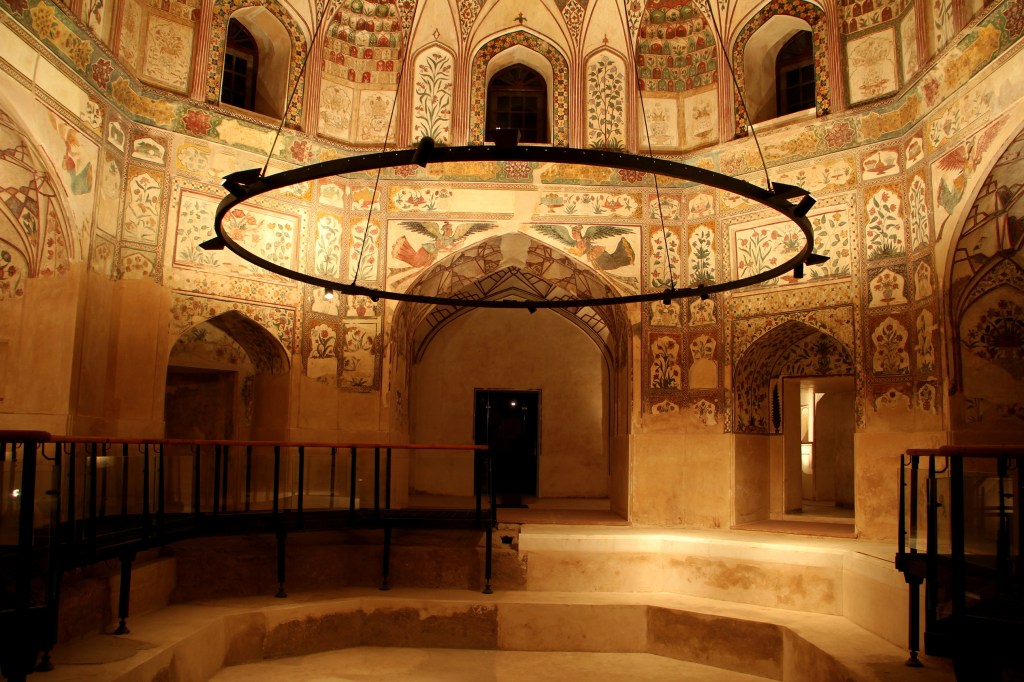
Wazir Khan hammām, commonly known as Shahi hammām is located immediately after crossing the Delhi Gate of Lahore walled city. It is significant in three respects as compared to other Mughal hammāms. Firstly, it is the most elaborate hammām and contain all different spaces usually exist in a steam bath. Secondly, it had most complex hydraulic and hypocaust system. Thirdly it contains some of the best-preserved fresco painting of the Shah Jahan period in the main entrance foyer and main caption hall. In addition, its domes preserve some of the best examples of Kalib Kari and spherical geometry employed in the soffit on the domes.
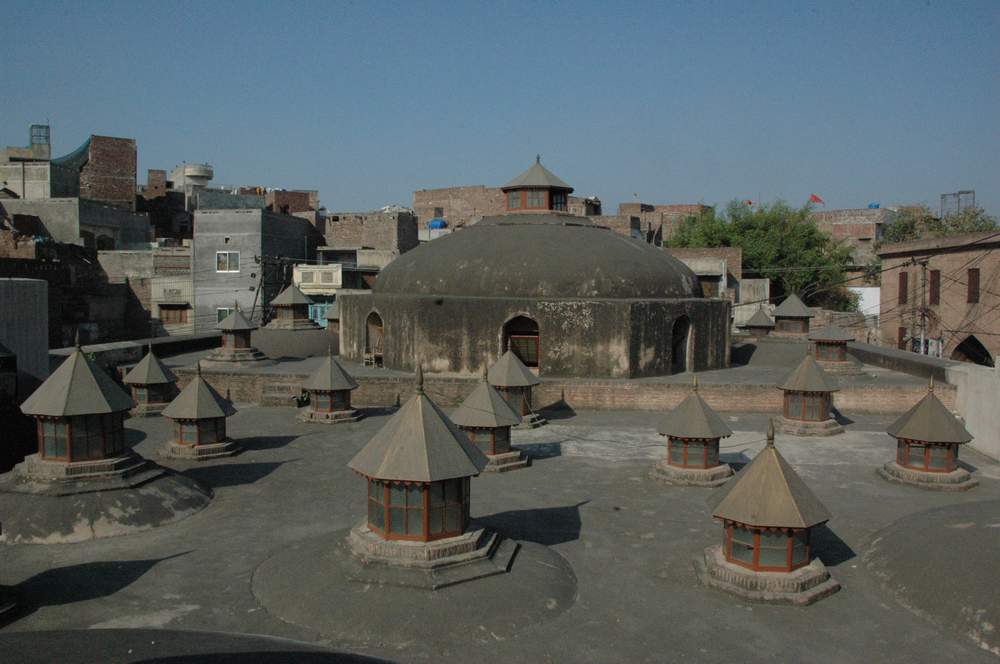
The main entrance of hammām lies on the western façade. However, a secondary entrance for the management purpose is located on the east side. The principal entrance foyer of the hammām set deep from where a small entrance leads to an anteroom, comprising of two parts. The southern domed part leads to the reception area. The hammām is divided into eastern and western halves. The western half was used by men and eastern half was meant for women. Similarly, it is also divided into northern and southern portions. The northern half is 3 feet higher than the southern half. The octagonal hall on the northern side (19 feet in diameter) is the main feature of the hammām. It has four openings in cardinal direction and four small opening on four other sides of the octagon. It has clerestory windows on all eight sides of the drum to admit light to the interior. Finally, the dome has roof opening for light and ventilation. This main hall was used as maslakh (apodyterium). In the center of this hall is an octagonal tank, once having fountain. The side room attached to this hall was probably used as dressing room.

 Naqoosh-e-Javidan